Home | MyGov

Accessibility
Accessibility Tools
Color Adjustment
Text Size
Navigation Adjustment
Screen Reader iconScreen Reader

Inviting Ideas to Enhance and Improve Citizen Centric Platform

Inviting Ideas to Enhance and Improve Citizen Centric Platform
Start Date :
Oct 02, 2022
Last Date :
Oct 31, 2022
23:45 PM IST (GMT +5.30 Hrs)
Submission Closed

My Gov was Launched on 26th July 2014, by the Hon’ble Prime Minister, Shri Narendra Modi, for promoting participative governance in India. MyGov today has more than 26 million ...

My Gov was Launched on 26th July 2014, by the Hon’ble Prime Minister, Shri Narendra Modi, for promoting participative governance in India. MyGov today has more than 26 million registered users. It has been established as Government of India’s Citizen Engagement Platform which collaborates with multiple Government bodies/ Ministries to engage with citizens for policy formulation and seeks the opinion of people on issues/ topics of public interest and welfare.

MyGov also has millions of active followers on social media platforms like Twitter, Facebook, Instagram, YouTube & LinkedIn as well as on several Indian social media platforms like Koo, Sharechat, Chingari, Roposo and Bolo Indya.

MyGov seeks to have innovative ideas and suggestions to further enhance the Citizen engagement and services.
MyGov Saathis may share Ideas and suggestions in following areas, but not limited to:

1. Look and feel of MyGov website (Improvement for User Interface)
2. User friendly navigation on MyGov.in (easy to browse and explore the features on the site)
3. New features and services for MyGov (Suggestions)
4. Improvement in User registration
5. Ideas on feedback Mechanism (how we capture your feedback)

Participants may visit the MyGov (www.mygov.in) to find information about the various on-going Do, Discuss, Disseminate activities along with insights about different schemes and programmes of various ministries.
Your contribution will help in building India as a developed Nation.

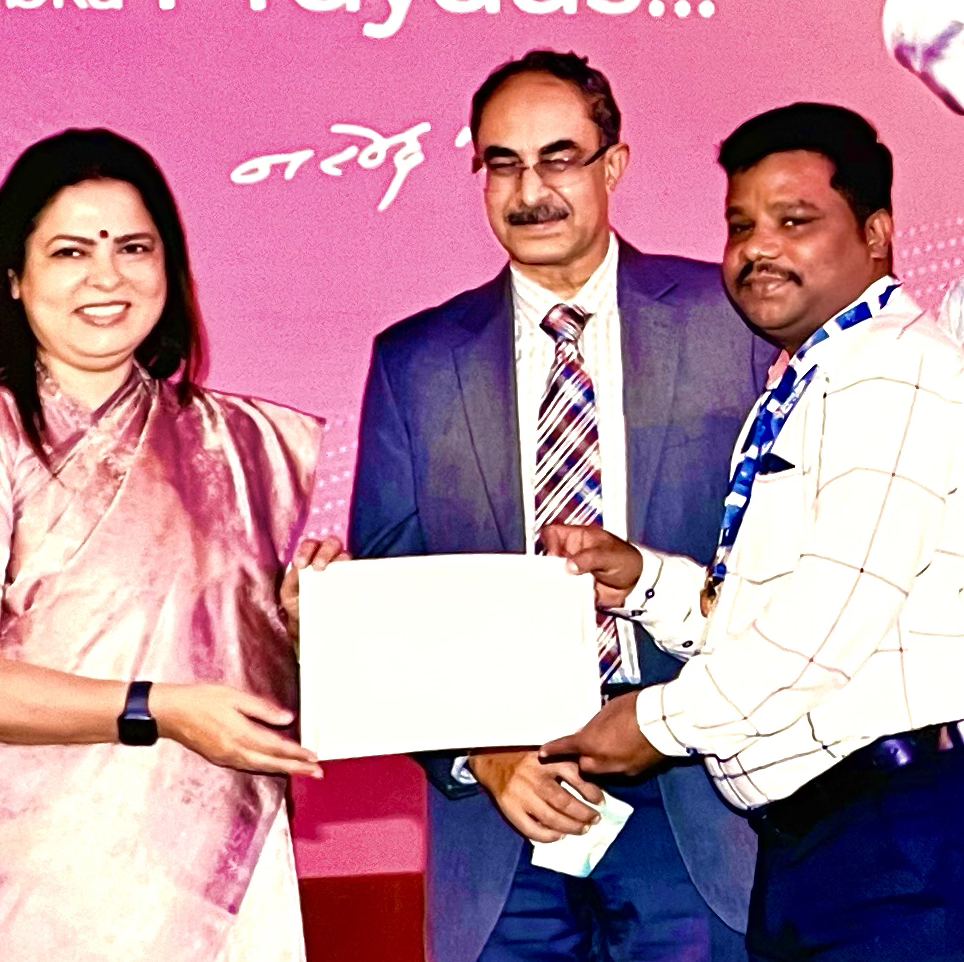
The best entries from the MyGov Saathis will get recognition from the Government of India and a chance to meet the CEO, MyGov. Also, best entries will be recognized and featured on the MyGov page.
We look forward to your enthusiastic participation.

Last Date of Submission is October 31, 2022.

Reset
Showing 1363 Submission(s)
SUTHAHAR P
SUTHAHAR P 3 years 10 months ago
A “citizen journey” is the entire experience that a person has when seeking a government service. The journey has a discrete beginning and end, and because it is typically multitouch and multichannel, it is also cross-functional in nature. A citizen journey is anchored in how people think about their experience, not in how government agencies do.
SUTHAHAR P
SUTHAHAR P 3 years 10 months ago
This approach has helped the agency identify areas for improvement within its interactive-voice-recognition (IVR) systems—specifically, the agency discovered that IVR staff needed additional training. Further, the office has identified customer-service “champions” to help train other customer-service representatives.7 A government agency in Asia has taken a similar approach to identifying why exactly citizens are dissatisfied with its services.
SUTHAHAR P
SUTHAHAR P 3 years 10 months ago
Combining customer-satisfaction information with operational data—call-center volumes and number of in-person visits, for instance—can yield additional insights, beyond what citizens state explicitly via surveys and other feedback channels. The Australian Taxation Office, for example, combines insights gleaned from customer-service calls and customer-relationship-management records with more formal customer-satisfaction feedback to identify statistical correlations between the specific areas customers have identified as problematic and the drivers of their dissatisfaction.
SUTHAHAR P
SUTHAHAR P 3 years 10 months ago
Public-sector organizations have already had success with break-point analysis. One agency used this technique to find optimal staffing levels across its call centers and paper-based processing facilities. Managers were able to identify, in real time, the trade-offs between staffing and citizen satisfaction for both of these channels. In turn, they raised overall citizen satisfaction.
SUTHAHAR P
SUTHAHAR P 3 years 10 months ago
Striving for zero wait times and one-click transactions across the entirety of government services is likely to prove both unrealistic and costly. Government leaders can find a balance between delivering high-quality, responsive services and managing resources effectively by using citizen-satisfaction metrics to determine acceptable service levels. One way to do that is by identifying break points—the point at which delays or service shortfalls cause customer satisfaction to drop significantly.
SUTHAHAR P
SUTHAHAR P 3 years 10 months ago
Asking people which aspects of service delivery are most in need of improvement—the time required to resolve a request versus the politeness of staff, for example—is unlikely to yield accurate results. Most people will say every aspect is equally important. So rather than asking citizens to rank the importance of different drivers of satisfaction, ask them to rate each service (for example, the overall process of applying for a parking permit) across the drivers. This method provides more reliable insights into users’ needs and priorities.
SUTHAHAR P
SUTHAHAR P 3 years 10 months ago
Transforming service delivery begins with understanding citizens’ needs and priorities. Identifying which services citizens find most problematic and measuring the extent of that dissatisfaction is one way governments can prioritize areas for improvement. There are three guiding principles to ensure that citizen satisfaction measurement efforts generate accurate, actionable insights.
SUTHAHAR P
SUTHAHAR P 3 years 10 months ago
A common complaint among citizens in the private sector is that service interactions can often be disjointed, leading to significant frustration. Limited online visibility for constituents or service representatives can quickly lead to a negative interaction.
SUTHAHAR P
SUTHAHAR P 3 years 10 months ago
Innovative governments to develop a 360° view of their constituents. Effective integration dispenses with information silos and brings all of your internal data together under one roof so that it can be viewed, analyzed, and understood holistically.
SUTHAHAR P
SUTHAHAR P 3 years 10 months ago
At the same time, citizens want government agencies to operate as efficiently as possible. They want public revenues to be used wisely and effectively. Just as businesses are using multichannel digital engagement to improve CX while reducing costs, government agencies too can take advantage of new technologies to drive citizen-centric government initiatives that offer their constituents a better overall experience. Taking advantage of the right technologies, they can drive operating expenses down and free up funds to address other urgent needs.